
Introduction
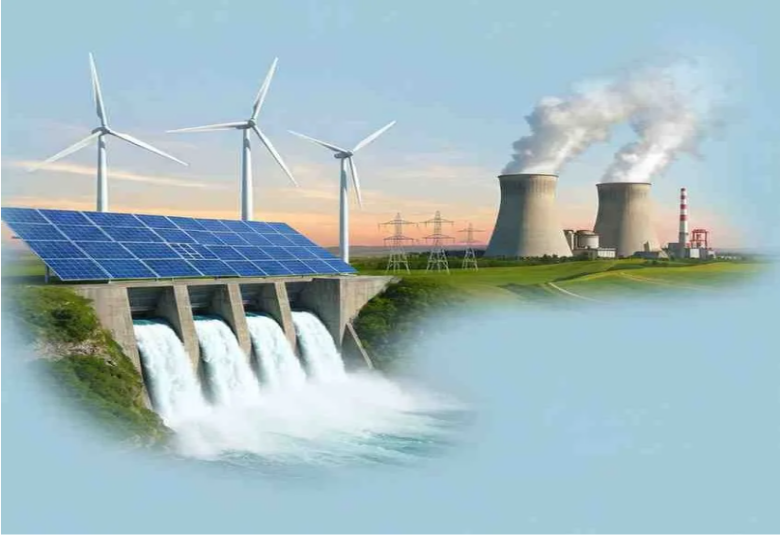
India stands at a pivotal crossroads in its energy trajectory. As the world grapples with the dual challenges of climate change and energy security, India’s ambitious energy transition agenda has placed it firmly on the global clean energy map. Boasting some of the world’s highest solar insolation levels and substantial wind energy potential across its coastal and plateau regions, India has both a pressing need and unrivaled opportunity to leapfrog into a sustainable energy future.
The global energy landscape is rapidly transforming. Fossil fuels—long the backbone of economic growth—are increasingly recognized as unsustainable due to their profound environmental, social, and health costs. Renewable energy, particularly solar photovoltaic (PV) and wind generation, has emerged as the centerpiece of this transformation. For India, the stakes are even higher: balancing economic growth with environmental stewardship, ensuring energy access for its vast population, and reducing dependence on energy imports.
India’s renewable energy goals are ambitious—repeatedly revised upward in response to falling technology costs and rising domestic capacity. Achieving such goals demands two parallel efforts: (i) scaling up deployment with speed and efficiency, and (ii) building resilient institutional, financial, and manufacturing ecosystems that can sustain long-term growth. This essay explores India’s capability across these dimensions and assesses how India can lead the global solar and wind revolution.
India’s Renewable Energy Revolution: Beyond Solar and Wind
Diversifying India’s Clean Energy Portfolio
Thank you for reading this post, don’t forget to subscribe!
India is a global leader in the transition to sustainable energy, driven by its ever-growing energy demands and a strong commitment to curbing carbon emissions. While solar and wind power have played a crucial role in India’s renewable energy journey, their inherent limitations, like intermittency (fluctuating availability) and land-use challenges, underscore the urgent need for diversification. Emerging renewable energy technologies offer exciting new pathways to bolster India’s energy mix and secure a truly sustainable energy future. This article explores these promising alternatives, highlighting their potential and investment opportunities.
The Current Landscape of Renewable Energy in India: Strengths and Challenges
India has made commendable progress in the renewable energy sector, earning a place among the world’s top countries for installed solar and wind power capacity. Government initiatives, such as the National Solar Mission and ambitious wind energy targets, have fueled this impressive growth. However, over-reliance on solar and wind power exposes the grid to intermittency issues. Sunlight isn’t constant, and wind doesn’t always blow. Furthermore, large-scale solar and wind farms require significant land resources, which can create conflicts with other land uses. To mitigate these challenges and ensure a reliable, consistent energy supply, exploring and investing in alternative renewable energy technologies is paramount.
Emerging Renewable Energy Technologies in India: A Deep Dive
Several promising technologies are emerging as key players in India’s renewable energy future:
Green Hydrogen: Fueling a Clean Future: Green hydrogen, produced by electrolyzing water using renewable energy, is a game-changing clean fuel with vast potential. India’s National Green Hydrogen Mission aims to establish the nation as a global hub for green hydrogen production and application. Green hydrogen has diverse applications, ranging from decarbonizing industrial processes like steel manufacturing and fertilizer production to powering transportation (fuel cell vehicles) and contributing to electricity generation. For investors seeking to capitalize on this burgeoning sector, researching the best green hydrogen stocks in India is essential. This nascent industry is ripe with opportunity, but careful due diligence is crucial.
Biomass Energy: Tapping into Agricultural Resources: Biomass energy involves converting organic materials, such as agricultural waste, forestry residues, and municipal solid waste, into usable energy. India, with its large agricultural sector, possesses substantial potential for biomass energy generation. Government initiatives like the National Bio-Energy Mission are designed to support biomass projects and incentivize their development. However, challenges related to feedstock availability, efficient collection and transportation logistics, and sustainable sourcing practices need to be addressed to fully realize biomass energy’s potential.
Geothermal Energy: Harnessing the Earth’s Heat: Geothermal energy taps into the Earth’s internal heat to generate electricity. India, with its geothermal hotspots in regions like Ladakh and Himachal Pradesh, holds significant untapped geothermal potential. The Ministry of New and Renewable Energy (MNRE) is actively promoting pilot projects and research initiatives to explore and develop this clean and consistent energy resource. Geothermal energy offers a stable, baseload power source, unlike intermittent renewables.
Small Hydropower (SHP): Decentralized Energy Solutions: Small hydropower projects utilize the natural flow of water in rivers and streams to generate electricity, offering decentralized and localized energy solutions, especially in remote or hilly areas. India has identified over 5,000 potential SHP sites. The government provides subsidies and various incentives to encourage SHP development, recognizing its potential for rural electrification and grid stability.
Ocean Energy (Tidal and Wave): Untapped Coastal Potential: With its extensive coastline, India has enormous potential for harnessing the power of the ocean through tidal and wave energy. The MNRE has officially recognized ocean energy as a renewable energy source and is actively encouraging research and pilot projects to unlock this vast, largely untapped resource. While still in its early stages, ocean energy offers a predictable and reliable source of clean power.
Concentrated Solar Power (CSP): Solar Energy with Storage: Concentrated Solar Power (CSP) systems use mirrors or lenses to focus sunlight onto a receiver, generating high temperatures to produce steam, which then drives a turbine to generate electricity. A key advantage of CSP over traditional solar photovoltaic (PV) systems is that CSP can incorporate thermal energy storage, allowing for electricity generation even after sunset or during cloudy periods. India is actively exploring CSP technology through programs like the National Solar Thermal Power Program.
Investment Opportunities in Emerging Renewable Energy: A Bright Outlook
Emerging renewable energy technologies in India present compelling investment opportunities for both domestic and international investors. Government initiatives, including tax benefits, production-linked incentives (PLIs), and renewable energy certificates (RECs), provide strong support to investors in the sector. Beyond green hydrogen, the broader renewable energy landscape offers a diverse range of investment options, from manufacturing components for these technologies to developing and operating renewable energy projects. For those interested in the solar energy sector, in addition to exploring green hydrogen investments, research into the best solar stocks in India can provide valuable insights. The long-term growth prospects for these technologies are exceptionally bright, driven by the increasing global demand for clean energy and India’s unwavering commitment to achieving net-zero emissions. As investors look to build robust portfolios for 2025 and beyond, renewable energy stocks should be a core component of any forward-looking investment strategy.
Conclusion: Charting a Sustainable Energy Path for India
India’s renewable energy future extends far beyond solar and wind power. Emerging technologies like green hydrogen, biomass energy, geothermal energy, small hydropower, ocean energy, and concentrated solar power hold the key to diversifying the nation’s energy mix, enhancing energy security, and driving sustainable economic growth. Investing in these innovative technologies not only offers significant potential for long-term financial returns but also contributes to a cleaner, more sustainable future for India and the world. Staying informed about the latest developments in these dynamic sectors and exploring promising investment avenues is crucial for participating in India’s renewable energy revolution.
What are the Major Milestones in India’s Transition Towards Renewable Energy?
Surpassing the Non-Fossil Fuel Capacity Goal Ahead of Time: India has already achieved its COP26 commitment to have 50% of its installed electricity generation capacity from non-fossil fuel sources, showcasing exceptional policy effectiveness and rapid execution.
This early achievement demonstrates a decoupling of energy growth from carbon-intensive sources, providing strong global confidence in India’s net-zero 2070 pathway and enabling further ambitious clean energy targets.
As of September 2025, the installed non-fossil capacity has crossed 250 GW, representing over 50% of the country’s total power capacity, successfully meeting the 2030 target five years early.
Global Leadership in Solar Capacity and Manufacturing Growth: Solar energy is the central pillar of the energy transition, and India is asserting itself as a global solar powerhouse through massive capacity addition and domestic manufacturing support.
The success of national schemes and low tariffs, driven by reverse auctions, makes solar the most cost-competitive and rapidly deployable source of new power generation, reducing the need for imported fuel.
India’s cumulative solar capacity has reached around 130 GW (as of October 2025), and domestic solar module manufacturing capacity has nearly doubled from 38 GW to 74 GW in FY 2024–25, driven by the Production Linked Incentive (PLI) scheme.
Launch of the National Green Hydrogen Mission (NGHM): The launch of the National Green Hydrogen Mission marks India’s aggressive move to decarbonize hard-to-abate sectors like fertilizers, refining, and heavy industries, shifting the focus beyond just the power sector.
The mission establishes a comprehensive ecosystem for green hydrogen production and utilization, positioning India as a potential global hub for green hydrogen export, which is crucial for long-term energy security.
The mission targets developing a Green Hydrogen production capacity of at least 5 Million Metric Tonnes (MMT) per annum by 2030, which is expected to attract over ₹8 lakh crore in total investments.
Decentralization of Renewable Energy through Rooftop Solar Schemes: A major shift is the focus on democratizing power generation, moving beyond large utility-scale projects to empower households and farmers as producers of clean energy.
The widespread adoption of decentralized solar, particularly rooftop and agricultural pumping, significantly reduces transmission losses, enhances grid resilience, and directly impacts consumer’s electricity bills.
The PM Surya Ghar: Muft Bijli Yojana, launched in February 2024 with a ₹75,021 crore outlay, targets rooftop solar installations in one crore households.
Financial Incentives for Energy Storage: Recognizing the intermittency challenge of solar and wind, the government has prioritized energy storage, including Battery Energy Storage Systems (BESS) and pumped storage projects (PSP), to achieve a Round-the-Clock (RTC) reliable power supply.
The introduction of targeted financial mechanisms is essential to bridge the current cost gap, making storage projects viable and facilitating high penetration of variable renewables into the grid.
The Cabinet has approved a Viability Gap Funding (VGF) scheme for BESS, in September 2023 with an initial allocation to support the development of 4,000 MWh of BESS projects.
Advancing into the Frontier of Offshore Wind Energy: To diversify the renewable mix and exploit vast untapped potential, India is strategically moving into the high-capacity factor, higher-cost domain of offshore wind, which requires substantial government support.
This pioneering step opens a new vector for clean energy, especially along the coasts of Gujarat and Tamil Nadu, simultaneously catalyzing a new domestic manufacturing and supply chain for large turbines and structures.
The government recently approved a VGF scheme of ₹7,453 crore for India’s first 1 GW of offshore wind projects, targeting a potential of 30 GW by 2030.
What are the Major Challenges Hindering India’s Renewable Energy Transition?
Grid Instability and Curtailment due to Low Storage Capacity: The core challenge is the intermittency of solar and wind power, which is severely restricted by the lack of sufficient grid-scale energy storage and the inflexibility of traditional coal power plants.
This mismatch between daytime supply and evening demand forces operators to curtail or waste clean energy, undermining the economic viability of new projects and necessitating fossil fuel use during peak hours.
Recent data shows solar power curtailment rates in some regions rose to as high as 12% in late 2025, and on certain days, up to 40% of solar output was denied access to the grid due to oversupply, proving that capacity addition is outpacing grid readiness.
Pervasive Counterparty Risk and Financial Distress of DISCOMs: The financial health of state-owned Distribution Companies (DISCOMs) poses the single largest credit risk to renewable power developers, stemming from delayed payments for procured electricity.
These poor financials are rooted in high Transmission & Distribution (T&D) losses, poor billing/collection efficiency, and unrecovered costs due to subsidized tariffs, driving up the overall Cost of Debt for clean energy projects.
Also, Many distribution companies require 8 to 17 months of payment support to achieve a viable credit rating.
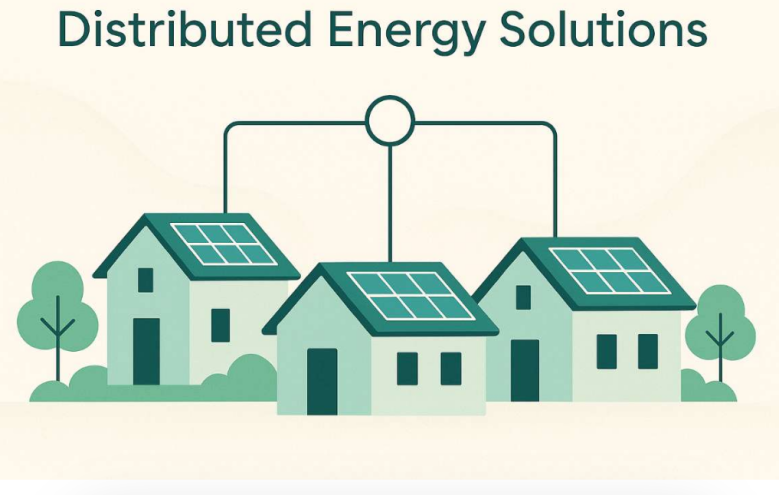
The decentralisation of energy production marks a significant shift in India’s renewable journey. You discover that distributed energy solutions, like rooftop solar installations and microgrids, empower local communities. Decentralised systems promote energy resiliency by reducing transmission losses and minimising grid dependence. These systems create new economic opportunities with local manufacturing and service networks. Lists of benefits associated with distributed energy include:
Increased energy availability during peak demand
Enhanced local job creation and skill development
Reduced infrastructure costs and lower transmission losses
I. Development Divide
The development divide in India’s renewable energy story reflects broader socio-economic inequalities. Although national goals articulate a unified vision, implementation varies widely across states, regions, and communities.
2.1. Geographic Disparities
Certain regions—such as Rajasthan, Gujarat, and Tamil Nadu—have surged ahead in solar and wind deployment due to favorable natural endowments, better infrastructure, and proactive state policies. Meanwhile, states with less predictable solar insolation or wind patterns, or weaker institutional capacities, lag behind. In addition, grid connectivity and land availability issues have disproportionately hindered development in central and eastern India.
2.2. Urban-Rural and Socio-Economic Gaps
The development divide also manifests across urban and rural areas. Urban centers and industrial hubs attract major projects and investments, while rural communities often remain excluded from direct benefits, especially energy access, local employment, and land-use benefits. This divide can perpetuate existing inequalities if clean energy policies do not explicitly integrate inclusive growth paradigms.
2.3. Gender and Social Inclusion
Energy transitions are not gender-neutral. Access to clean energy for cooking, heating, and productive uses particularly affects women. Without intentional strategies to involve women in planning and deployment—such as training programs or incentives for women-led energy enterprises—India risks missing a core dimension of equitable growth.
II. Opportunities and Challenges
India’s potential in solar and wind energy is vast. Yet realizing this potential requires navigating a complex set of opportunities and challenges.
Opportunities
a. Natural Resources: India receives an average of 4–7 kWh per square meter of solar radiation daily, one of the highest in the world. Rajasthan, Gujarat, Karnataka, and Andhra Pradesh hold immense solar potential. Wind power potential is significant in states like Tamil Nadu, Gujarat, Maharashtra, and Karnataka, as well as in offshore zones.
b. Demographic Dividend: A young, increasingly skilled workforce presents India with the human capital necessary to scale renewable infrastructure, manufacturing, and operations.
c. Technological Advances and Falling Costs: The cost of solar PV modules and wind turbines has declined sharply in the last decade due to global technological innovation and economies of scale. Energy storage systems are also becoming more economical, addressing intermittency challenges.
d. Increasing Corporate and Financial Interest: Global and domestic investors are increasingly prioritizing clean energy. Green bonds, climate finance, and private equity are expanding capital flows to renewable energy projects.
e. Energy Security and Import Reduction: Transitioning to domestic solar and wind resources helps reduce reliance on fossil fuel imports, stabilizing energy prices and improving trade balances.
Challenges
a. Grid Integration and Storage: Solar and wind are variable in output, requiring modern grid systems, flexible dispatch mechanisms, and energy storage solutions to maintain reliability.
b. Land Acquisition and Environmental Concerns: Large solar parks and wind farms require significant land, often leading to conflicts with agriculture, forests, or local communities. Environmental impacts—such as effects on bird migration and soil health—also need careful assessment.
c. Financing and Cost Competitiveness: While costs are declining, upfront capital requirements remain high. Small developers often struggle to secure finance due to perceived risks, currency volatility, and high interest rates.
d. Policy and Regulatory Consistency: Renewable energy policies, tariffs, and incentives vary by state and change over time, creating uncertainty for investors.
e. Supply Chain and Manufacturing Capacity: India still imports a significant share of PV modules, inverters, turbines, and components. Building domestic manufacturing capacity remains a strategic challenge.
III. Strategies for Balanced Development
Achieving balanced and inclusive growth in solar and wind energy requires integrated strategies that span policy, technology, finance, and community engagement.
4.1. Strengthening Institutional Capacity
Capacity building at both central and state levels ensures coherent policy implementation. This includes upskilling energy planners, strengthening regulatory agencies, and fostering coordination across ministries.
4.2. Integrated Grid Planning
Investing in smart grids, regional transmission networks, and forecasting tools enhances the ability to absorb large renewable capacities. Energy storage—such as lithium-ion batteries or pumped hydro storage—becomes essential as renewables scale.
4.3. Inclusive Local Engagement
Community participation should be central to project planning. Benefit-sharing mechanisms—such as revenue sharing, priority employment for local residents, and community ownership models—can foster positive relationships with host communities.
4.4. Skill Development and Job Creation
Targeted training programs for technicians, engineers, and project developers are crucial. Vocational training, apprenticeships, and university partnerships can prepare India’s workforce for emerging renewable energy jobs.
4.5. Encouraging Decentralized Solutions
Rooftop solar, microgrids, and hybrid systems offer decentralized alternatives that increase resilience and expand access in remote areas. Their promotion can complement utility-scale deployment.
IV. Policy Frameworks and Historical Context
India’s renewable energy journey has evolved through clear policy milestones that progressively strengthened its commitment.
5.1. Early Policy Initiatives
In the early 2000s, India began exploring renewable energy through the Jawaharlal Nehru National Solar Mission (launched in 2010) under the National Action Plan on Climate Change (NAPCC). The initial goal of 20 GW solar capacity by 2022 reflected early ambition, which laid the foundation for more aggressive targets.
5.2. Revised Renewable Targets
Subsequent policy revisions significantly increased the ambition. India set a target of achieving 175 GW of renewable capacity by 2022—comprising 100 GW solar and 60 GW wind—later elevated to 500 GW by 2030. These targets signal India’s intent to align with global climate goals while ensuring energy security.
5.3. Policy Instruments
Key policy tools include:
Feed-in tariffs and reverse auctions to stimulate competitive pricing.
Solar parks and wind clusters to aggregate infrastructure and reduce costs.
Tax incentives and subsidies to support manufacturing and deployment.
Renewable Purchase Obligations (RPOs) requiring distribution companies to source a specific portion of power from renewables.
Green energy corridors to enhance transmission capacity.
These frameworks have been instrumental but require consistent implementation and regular review to adapt to evolving technological and economic landscapes.
V. Case Studies in Integrated Development
Concrete examples help illustrate India’s capacity to innovate and scale.
6.1. Solar Parks in Rajasthan
Rajasthan has become a solar powerhouse, driven by high insolation, available land, and proactive policy. Large solar parks—such as Bhadla Solar Park—showcase how aggregated planning, private sector participation, and strong transmission networks can deliver cost-efficient power at scale.
6.2. Wind Energy Growth in Tamil Nadu
Tamil Nadu’s wind energy trajectory highlights how long-term policy support, conducive wind regimes, and early developer interest created one of India’s largest wind power bases. The state now regularly contributes a significant portion of its generation from wind.
6.3. Hybrid Renewable Projects
Innovations like hybrid solar-wind projects and solar plus storage deployments demonstrate how combining resources can balance generation profiles, reduce curtailment, and improve grid stability.
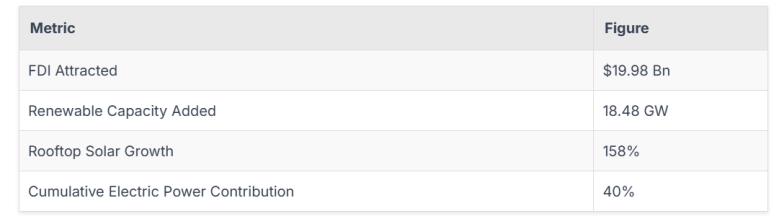
Investment trends power India’s green energy journey. You notice a growing influx of financial resources that underwrite ambitious renewable projects. Investors, both domestic and international, contribute to a market that attracted $19.98bn of foreign direct investment over recent years. Robust funding channels facilitate technology upgrades, grid modernisation, and capacity expansions. Financial policy reforms create a secure environment for long-term investments. To illustrate, consider the following table comparing key renewable investment metrics:
VI. Recommendations for Policy Prioritization
To lead the global renewable revolution, India must prioritize the following policy areas:
7.1. National Long-Term Vision with Implementation Roadmaps
Develop clear decadal roadmaps with intermediate milestones, integrating renewables with grid modernization, storage deployment, and demand-side management.
7.2. Financial De-risking Mechanisms
Design financial instruments—such as green investment banks, low-interest sovereign funds, and guarantees—that reduce risk for private capital. Encourage institutional investors and international climate funds participation.
7.3. Manufacturing and Supply Chain Development
Promote domestic manufacturing through targeted incentives, research and development support, and technology partnerships to reduce dependence on imports and foster export potential.
7.4. Strengthening Regulatory Predictability
Ensure stable, transparent, and investor-friendly regulatory environments across states. Harmonizing RPO enforcement, land procurement norms, and grid codes can reduce uncertainty.
7.5. Emphasis on Innovation and Research
Invest in research for next-generation technologies—such as perovskite solar cells, advanced wind turbines, and grid-scale storage—to maintain competitiveness.
7.6. Community and Inclusive Programs
Mandate community benefit sharing, gender inclusion strategies, and local employment clauses in large renewable projects to ensure equitable development.
Conclusion
India’s renewable energy transition stands at a decisive inflection point driven by technological advances, strong policy backing, and falling costs. Yet, realizing its full potential demands financial innovation, institutional reforms, and grid modernization. Accelerating this shift will not only secure energy independence but also generate green jobs and inclusive growth. Aligned with SDG 7 (Affordable and Clean Energy), SDG 9 (Industry, Innovation, and Infrastructure), SDG 13 (Climate Action), and SDG 12 (Responsible Consumption and Production), India’s transition embodies the path toward a sustainable and resilient future.
India is uniquely positioned to lead a solar and wind energy revolution, powered by exceptional natural resources, a growing clean energy industry, and ambitious national targets. The journey so far reflects remarkable progress—yet significant challenges remain, including grid integration, finance, manufacturing, and equitable distribution of benefits.
Success will depend not only on technological deployment but also on strategic policy frameworks that balance speed with inclusivity, national ambition with local participation, and economic growth with environmental stewardship. If India scales up strategic planning, strengthens institutional capacity, and innovates continuously, it can not only meet its own clean energy goals but also emerge as a global leader in the transition to a sustainable, low-carbon future.
In the unfolding global energy narrative, India’s solar and wind revolution could become one of the defining stories of the 21st century—a model of how emerging economies can align development with climate action, harnessing renewable energy to power prosperity and resilience for generations to come.